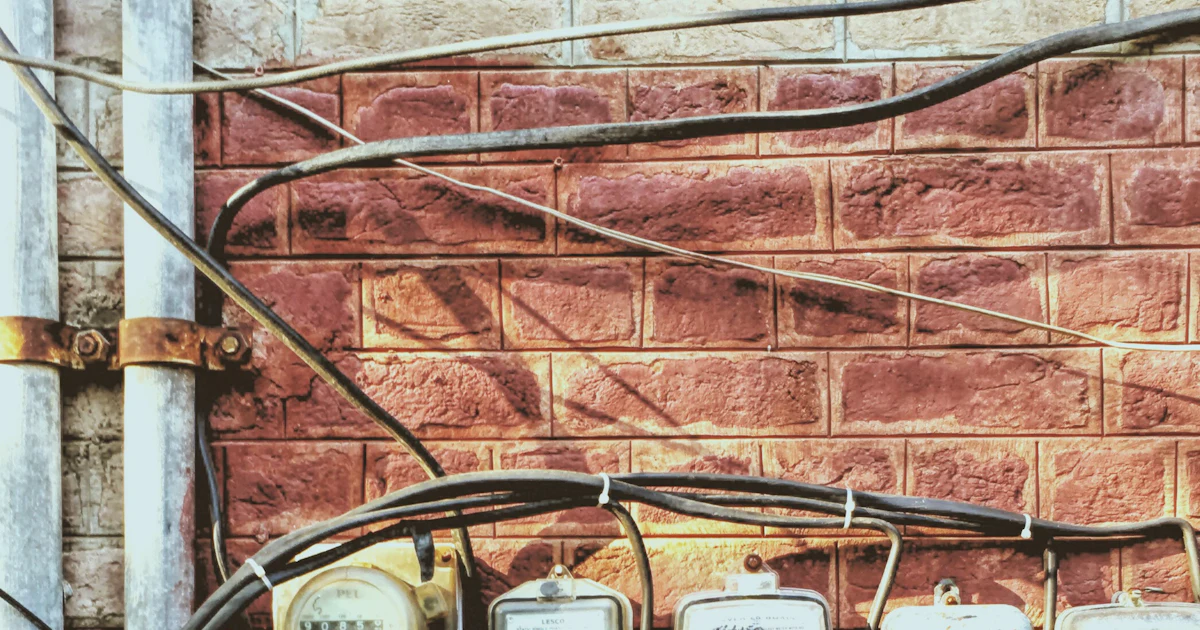
Commission worked out, nightly price settled, occupancy rising, and yet less stays in the account than the calculation suggested. The culprit is often a cost people think about last: utilities. Electricity, gas, heating, water and waste collection can quietly eat well over ten percent of revenue, because the owner pays and the guest consumes, with no reason at all to economise. This article shows what utilities really cost per night, how to settle them with the guest, and how to lower the bills without spoiling the stay.
Why utilities can eat the profit
In a flat you live in yourself, consumption is predictable. In a rental apartment it is not. The guest treats energy as part of a price already paid, so they behave differently from at home: they leave the air conditioning on all day, turn the thermostat to maximum and open the window, take long showers, leave the lights on. It is not malice, it is the natural behaviour of someone who cannot see the meter. But the effect is real: the same apartment can use two or three times more electricity with a guest in it than with the owner.
What utilities really cost per night
Before you start saving, work out your starting point. Take the annual bills (electricity, gas or heating, water and sewerage, waste, internet) and divide by the number of nights let in the year. A simple example for a studio flat:
- Electricity: PLN 2,400 a year
- Heating and hot water: PLN 3,000 a year
- Water and sewerage: PLN 900 a year
- Waste: PLN 480 a year
- Internet: PLN 720 a year
That is PLN 7,500 in total. At 180 nights let a year, it comes to over PLN 41 of utility cost per night of stay, and at a price of PLN 250 a night that means utilities consume a sixth of the rate before you deduct cleaning, commission and tax. That is the number you have to know when setting your minimum price (we cover this in the article on dynamic pricing).
Flat rate or meter: how to settle with the guest
You have three approaches, and each makes sense in a different situation:
- Utilities included in the nightly price (flat rate). The simplest and the most common for stays of a few days. The guest sees one amount and you do not have to explain meter readings. The condition: the cost of utilities must genuinely be built into the rate, not quietly overlooked.
- A flat rate with a limit for longer stays. For a week or a month, it is worth writing into the house rules that the price covers reasonable consumption, and that excess (heating in winter with the windows open, say) is settled by the meter. That protects you from a guest who treats the apartment as a free sauna for a month.
- A separate utility charge based on meter readings. Used mainly in medium-term letting (workers, relocations). You record the readings at check-in and checkout, which is transparent but involves paperwork.
For classic short-term rental the first model works best, supplemented by a clause in the house rules about "reasonable use of utilities". That is not a penalty, it is a signal that genuinely changes guest behaviour.
Concrete ways to lower the bills
The biggest savings come from cheap, one-off items rather than large investments:
- A thermostat with a temperature limit. Thermostatic valves with a lock, or a room thermostat set to a sensible maximum (22°C, say), can cut a heating bill by well over ten percent. Guests rarely notice the difference between 22 and 25 degrees anyway.
- A window opening sensor. A classic in the heating season: the guest opens a window "for a moment" and forgets, while the radiator works flat out. A simple sensor that turns the heating down when a window is open pays for itself in one season.
- LED lighting throughout the apartment. Guests leave lights on, and with LEDs that hurts far less than with old bulbs.
- Aerators on the taps and an economical shower head. A few dozen zloty, and hot water use drops noticeably. That is a double saving, because you cut both the water and the energy to heat it.
- An induction hob instead of an old ceramic one or gas. Faster and more efficient, with less heat wasted.
- An energy-efficient kettle and fridge. If you are replacing equipment anyway, look at the rating, because a fridge runs 24 hours a day all year.
The principle is simple: the guest will not economise for you, so the savings have to be built into the apartment so that they work by themselves, without asking the guest for anything.
The heating season trap
Winter is when bills can shoot up. An open window with the radiator on, air conditioning heating around the clock, hot water running without limit: each on its own is small, but together they make the difference between a good month and a poor one. If you let in winter, this is where automation (thermostat, window sensor, temperature limit) pays back fastest. Out of season, when you are fighting for every booking, every zloty saved on utilities directly improves profitability.
Put utilities into your price calculation
The most important conclusion is not about saving but about counting. The utility cost per night is one of the items that must appear in your minimum price, alongside cleaning, commission, depreciation of the furnishings and tax. If you drop the price on a last-minute deal rather than hold an empty night, make sure the rate still covers utilities and cleaning. A night sold below variable cost is not "better than nothing", it is subsidising the guest's stay.
Five things to remember
- Work out the utility cost per night. It is the starting point for every pricing decision.
- In short-term rental, include utilities in the price, but write a reasonable-use rule into the house rules.
- The biggest savings come from cheap, one-off measures: LEDs, aerators, a limited thermostat, a window sensor.
- Watch the heating in winter, that is where most money leaks away.
- Never drop the price below the cost of utilities plus cleaning.
Utilities are a cost you do not see in a single booking, but one that quietly lowers your profit all year. Count it once and build a few cheap measures into the apartment, and this item stops working against you.
Try erphome.pl
Start taking bookings directly
Your own reservation page from PLN 27.99 net a month on the annual plan. Zero commission.
14 days free, no credit card
Comments (0)
No comments yet. Be the first.
Add a comment
Your email is never published. Comments appear after review by our editors.