The phone rings at 23:40. The guests are stuck in traffic outside Kraków and will not arrive before midnight. You get in the car, drive across town, wait outside the block, hand over the keys and are back in bed at one in the morning. If you run a short-term rental, you know this scenario far too well. Self check-in solves it once and for all: the guest gets into the apartment at any hour and you do not leave the house.
What self check-in is and why it pays
Self check-in is a model where the guest lets themselves into the apartment without meeting the owner or manager in person. You share the key or the code remotely, usually the day before arrival. The gain is twofold: you save time and stress, and at the same time your property's rating goes up. A flexible arrival time is one of the most praised elements in reviews, because tourists rarely turn up punctually at 15:00.
For an owner with several apartments, self check-in is often the only way to make the logistics work at all. Without it, every day is a series of drives scattered across town at unpredictable hours.
The three most popular solutions
1. A key box (lockbox)
The cheapest option: a metal box with a code, screwed to the wall or hung by the door. You put the key inside and send the guest the code. It costs a few dozen zloty and five minutes to fit.
- Pros: cheap, no electronics, needs neither power nor internet.
- Cons: the code has to be changed by hand after every guest, and a cheap box can be forced open. Choose solidly built models and fix them properly.
2. A keypad lock
Instead of handing over a key, you give a code typed on a keypad by the door. Good models let you set a separate, time-limited code for every guest, valid only during their stay.
- Pros: no physical keys to lose or copy, individual codes, convenience.
- Cons: a higher cost and batteries to keep an eye on. Always have a backup way in, in case they run flat.
3. A smart lock (app controlled)
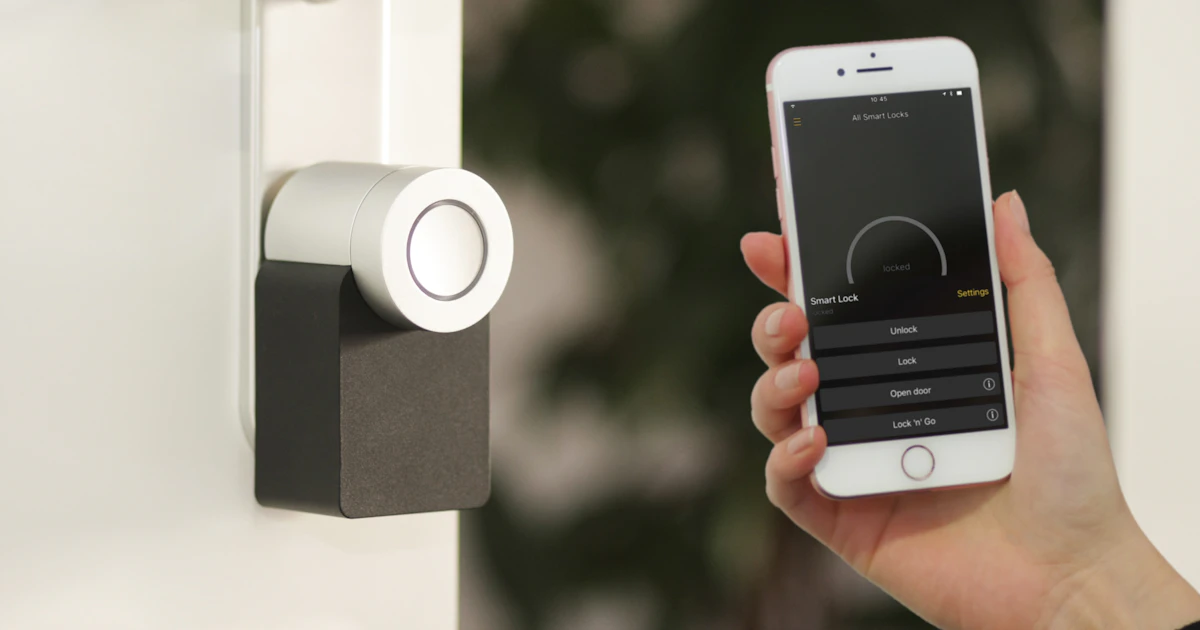
The most advanced option: an internet-connected lock you manage from your phone, which can generate codes automatically in step with bookings. It comes into its own with a larger number of apartments.
- Pros: full automation, remote monitoring, integration with booking systems.
- Cons: the most expensive, and dependent on the internet and the manufacturer's cloud. A network failure must not cut the guest off from the door, so have a plan B.
Security: what is easy to forget
Automation does not excuse carelessness. A few rules worth adopting from day one:
- Change the code after every guest. A code the previous tenant knows is no longer a security measure.
- Do not send the code too early. Best on the day of arrival or the day before, together with the instructions.
- Arrange a backup entrance. A flat battery or no internet at 23:00 is your problem, not the guest's. Keep an emergency key with someone you trust nearby.
- Do not count on tape and a cheap key box. Investing in decent equipment pays for itself the first time it prevents a failure.
Paperwork: registration and GDPR
Not meeting in person does not remove your obligations. You still have to keep a record of stays for the local tourist tax, and if you host foreign nationals you must meet the registration requirements under the applicable rules. Guest data (name, surname, document) is personal data: collect only what is necessary, store it securely and do not keep it longer than the law requires. An online registration form at the time of booking can handle this conveniently for both sides.
Instructions that get the guest in without calling you
The best lock will not help if the guest does not know how to use it. Good directions and entry instructions cut phone calls almost to zero. They should contain:
- The exact address with the staircase number and floor, ideally with a map link.
- Where to park (and whether parking is paid).
- Photos: the building entrance, the key box or keypad, the apartment door.
- Step by step: how to enter the code, which way to turn it, what to do if the lock does not respond.
- An emergency number and the hours at which you actually answer the phone.
A practical rule: write the instructions as though a tired guest is reading them in the dark after ten hours on the road. If they get inside with no questions then, the instructions are good.
From a key box to a smart lock
Self check-in is one of those changes you feel immediately, in your calendar and in your mood. You start with the cheapest key box and move on to keypad locks and smart locks as you grow. The key to success, alongside the lock itself, is communication and paperwork handled automatically: clear instructions, a remote code and a registration form at booking. Then the midnight call about the wrong staircase really does stop coming.
Try erphome.pl
Start taking bookings directly
Your own reservation page from PLN 27.99 net a month on the annual plan. Zero commission.
14 days free, no credit card
Comments (0)
No comments yet. Be the first.
Add a comment
Your email is never published. Comments appear after review by our editors.