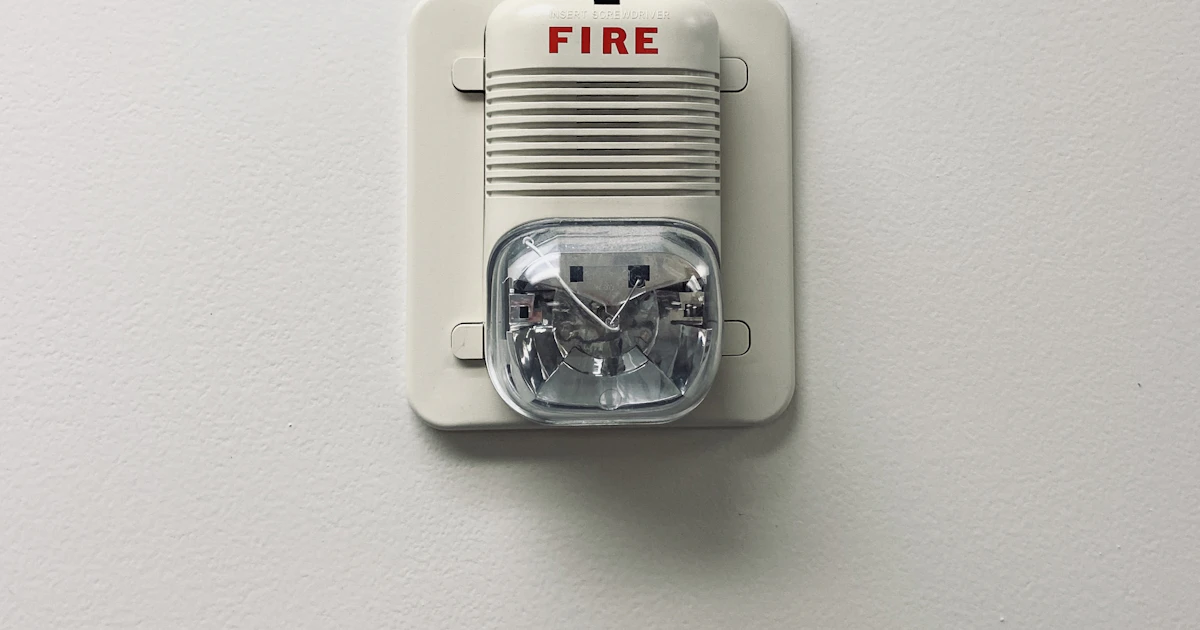
Safety in a rental apartment usually comes to mind only when it is too late, when a guest rings in the middle of the night to say they smell gas, or when a firefighter comes over from the flat next door and asks where your extinguisher is. Yet this is one of the few areas where a small cost and an hour of work genuinely protect you from tragedy, from a financial claim, and in an extreme case from criminal liability.
This article is a concrete list of things worth checking in every property you rent out. The aim is not to frighten you but to let you sleep at night while strangers you do not know are sleeping in your flat.
Smoke and carbon monoxide alarms: the absolute minimum
This is the most important and cheapest piece of the puzzle. A carbon monoxide alarm is essential anywhere there is any source of combustion: a gas heater, a fireplace, a gas water heater, a gas hob. Carbon monoxide has neither smell nor colour, and a guest who does not know the flat will not sense that something is wrong before losing consciousness.
A carbon monoxide alarm costs PLN 50 to 100, and a smoke alarm about the same. Buy certified models with a replaceable battery (or a sealed 10-year one). Fit the carbon monoxide alarm at breathing height and the smoke alarm on the ceiling, and press the test button every few months to check they work, ideally while cleaning between guests.
An extinguisher and a fire blanket in the kitchen
The most common apartment fires start in the kitchen: burning fat, a forgotten pan, an overloaded socket. A fire blanket hung somewhere visible near the kitchen costs a few dozen zloty and smothers burning oil, which must never be doused with water.
Add a small powder extinguisher, or better for indoors, a water mist extinguisher, which does not wreck equipment and furniture. Put it somewhere easy to reach and keep an eye on its expiry date and periodic inspection.
An escape route and simple instructions
A guest in an unfamiliar flat, woken by an alarm, does not know where the door is or how to open the staircase. Leave a short note about the escape route somewhere visible, ideally in the welcome instructions: which way out, where the extinguisher is, the address of the property and the emergency numbers (112, and in Poland 998 for fire and 999 for ambulance).
Check something mundane that is easy to forget, too: whether the keypad lock and the door can be opened from the inside without a key. If you use self check-in and an electronic lock, make sure the door opens from the inside during a power cut.
Electrical and gas safety
Overloaded extension leads, makeshift adapters and old appliances are the quiet cause of many fires. Once a season, do a round: replace kinked cables, throw out chargers and kettles with damaged insulation, and with a gas installation keep up the periodic chimney and tightness inspections. That is not only good practice but a requirement your insurer will check after a loss.
A first aid kit and small things that matter
A basic first aid kit (plasters, a bandage, antiseptics), working emergency lighting or at least a torch, and a non-slip mat in the bathroom are details that cost very little and can prevent an injury and a bad review. If you host families with small children, think about socket covers and a stair gate.
Why this is also a legal and financial question
By providing accommodation services you are responsible for the safety of the people in the property. A missing carbon monoxide alarm or a faulty installation is not only a risk of tragedy, it is a real basis for an insurer refusing to pay and for liability if someone comes to harm. We have already written about why an ordinary home policy does not protect short-term rental, and the safety of the property is one of the things an insurer will examine closely.
Put it into one checklist
The simplest approach is to treat safety as a standing item in the cleaning routine between guests. Add a few lines to your checklist:
- test the smoke and carbon monoxide alarms (the button),
- extinguisher and fire blanket in place and in date,
- no damaged cables or overloaded sockets,
- escape route clear, door opens from the inside,
- first aid kit restocked,
- visible instructions with emergency numbers and the address.
A few minutes at every stay, plus a one-off outlay of PLN 200 to 300 on alarms, a blanket and an extinguisher. In return you get something no money can buy later: the certainty that you did everything so the people sleeping in your apartment were safe.
You can share safety information, welcome instructions with emergency numbers and your house rules with guests automatically at the time of booking on your own page. If you want full control over that without paying an intermediary, take a look at how the erphome.pl reservation system works.
Try erphome.pl
Start taking bookings directly
Your own reservation page from PLN 27.99 net a month on the annual plan. Zero commission.
14 days free, no credit card
Comments (0)
No comments yet. Be the first.
Add a comment
Your email is never published. Comments appear after review by our editors.